The Allure of Risk and Reward
The psychology behind casino gaming behavior often intertwines with the concepts of risk and reward. Gamblers are typically drawn to the thrill of potentially winning large sums of money, which creates a powerful psychological incentive. This excitement is fueled by the uncertainty of each game, as the unpredictability can lead to a rush of adrenaline. In fact, many players visit various platforms, including a canada online casino, to chase this exhilarating experience. This euphoric feeling can create an addictive cycle, where players chase the high they experience with each gamble.

Moreover, the emotional responses elicited during gaming—such as joy from wins or frustration from losses—contribute significantly to continued engagement. The brain’s reward system is activated during these experiences, leading to the release of dopamine, a neurotransmitter associated with pleasure. This biochemical reaction reinforces the desire to keep playing, even in the face of potential losses.
The Role of Environment in Gaming Behavior
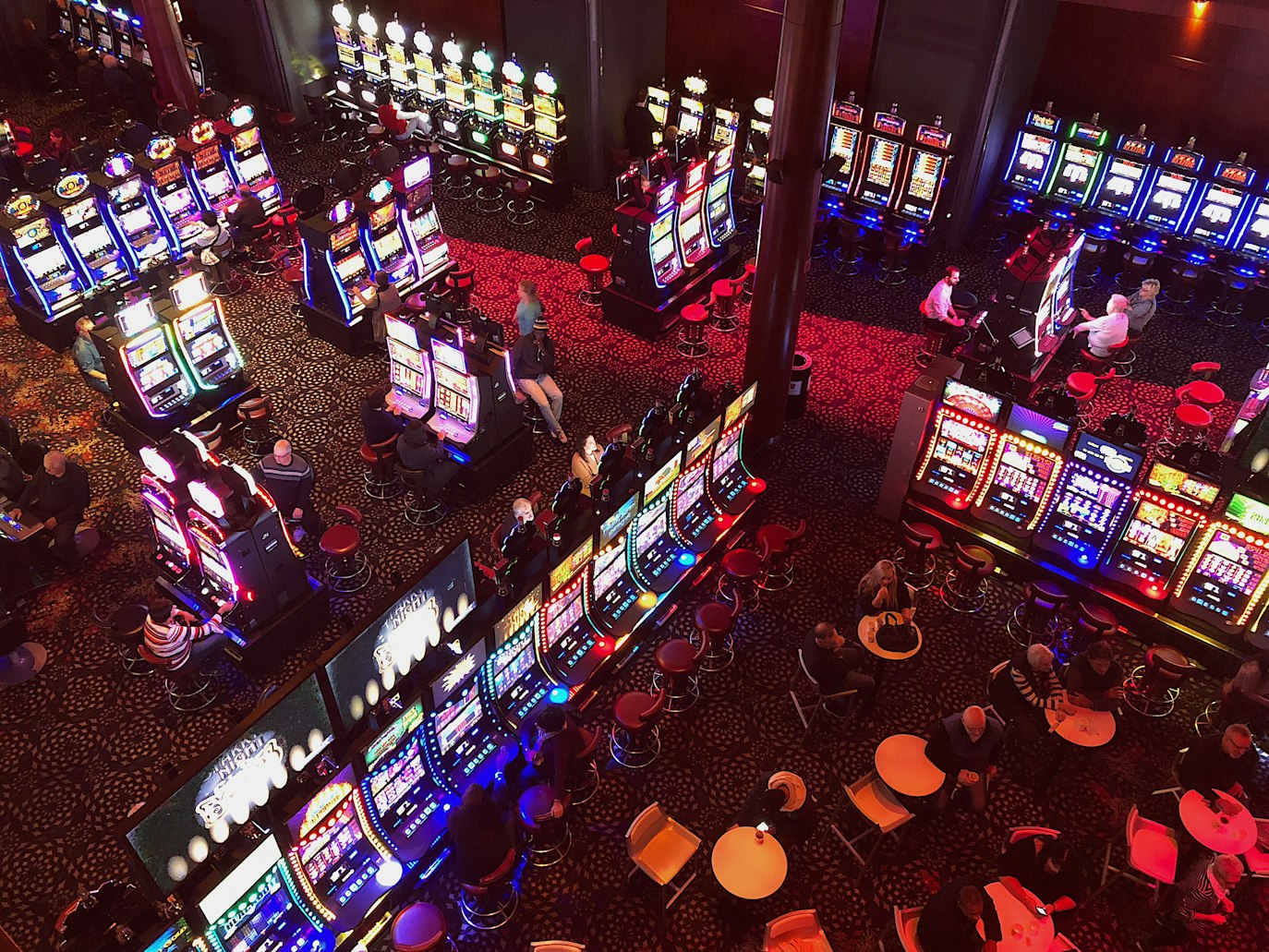
The environment of a casino plays a crucial role in shaping gambling behavior. Casinos are meticulously designed to encourage players to stay longer and spend more. Bright lights, vibrant colors, and immersive sounds create a sensory-rich experience that stimulates excitement. This ambiance can manipulate a player’s perception of time and space, leading to prolonged gaming sessions even when they may not intend to stay for long.
Additionally, the layout of casinos often promotes a sense of escapism. Many gamblers find solace in the distraction from their daily lives, using the casino as a means to escape reality. This psychological aspect can lead to increased gambling behavior as individuals seek refuge in the high-stakes environment, further complicating the relationship between player and gaming.
Social Dynamics and Gambling
The social context surrounding gambling also influences player behavior significantly. Many individuals engage in casino gaming as a social activity, enhancing their overall enjoyment. The presence of other players can foster a sense of community, as shared experiences of wins and losses create bonds. Social interactions at gambling tables may serve as a source of validation and camaraderie.
However, competition can also escalate gambling behavior. When individuals witness others winning, they may feel compelled to continue playing in hopes of experiencing similar success. This phenomenon can push players to take greater risks, further entrenching them in the gaming experience and impacting their decision-making processes.
The Psychology of Loss and Gambling Addiction
Understanding the psychological effects of loss is vital in unraveling gambling addiction. Players often experience a phenomenon known as “loss chasing,” where they continue to gamble in an attempt to recover their losses. This behavior can lead individuals into a vicious cycle, where the desire to win back lost money motivates further gambling, regardless of the impending negative consequences.
The concept of cognitive dissonance also plays a role in gambling addiction. Gamblers may convince themselves that their next bet will lead to a win, despite evidence to the contrary. This cognitive bias can distort their perception of reality and exacerbate their gambling behavior, making it challenging to break free from the cycle of addiction.
Our Commitment to a Safe Gaming Environment
At our website, we understand the complexities of casino gaming behavior and the importance of promoting a secure and responsible gambling environment. We are committed to providing a platform that prioritizes user safety while delivering a thrilling experience. Our advanced security measures protect against potential threats, ensuring that players can focus on enjoyment and social interaction without undue risk.
We also encourage responsible gaming practices and provide resources for those who may need assistance. By fostering a safe online community, we aim to support players in making informed decisions and enjoying their gaming experience responsibly while understanding the psychological factors at play.